Laptop Not Charging? 7 Practical Fixes to Try
Contents
I was in the middle of a deadline when it happened. My laptop, plugged into the wall, suddenly stopped charging. The battery icon showed that dreaded “plugged in, not charging” message. Panic set in. I’ve been there, and I’ve fixed this problem more times than I can count on laptops from HP, Dell, and Lenovo. It’s a universal tech headache.
Through years of hands-on testing and repair, I’ve developed a diagnostic process that works. It’s not just about following steps; it’s about understanding the why behind a power supply failure. Let’s walk through my personal troubleshooting playbook, from the simple checks to the complex hardware issues I’ve had to resolve.
My Hands-On Diagnostic Process
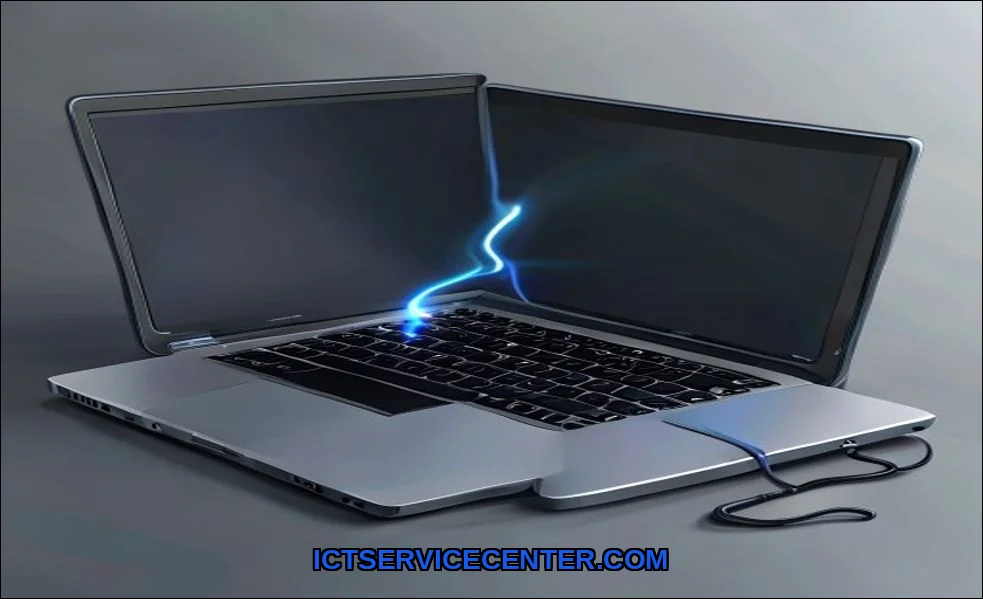
I never jump to conclusions. A systematic approach saves time and prevents you from buying parts you don’t need. My process always starts with the simplest, most common culprits and moves inward. Think of it like peeling an onioneach layer reveals a new potential cause for your laptop battery not charging.
The Usual Suspects: Quick Checks I Always Do First
Before you panic, run through this list. I’ve lost count of how many “repairs” were solved at this stage.
- Power cycle the entire system. Unplug the AC adapter, shut down the laptop, and remove the battery if it’s removable. Hold the power button for 30 seconds. Reconnect everything and power on. This clears residual charge that can confuse the system.
- Inspect the physical connection. Is the wall outlet live? Is the cable fully seated in both the laptop and the brick? I’ve seen partially inserted plugs cause this exact issue.
- Check the charging indicator light. No light usually points to a power delivery problem before it even reaches the battery.
- Try a different outlet and cable if possible. Rule out the external power source first.
If these don’t work, the problem is likely internal. Time to dig deeper.
Digging Deeper: Hardware Issues I’ve Encountered
This is where my toolkit comes out. Hardware failures are common, especially on older machines. Heres what I look for, in order of likelihood.
The AC Adapter & Cable
The adapter is the weakest link. I test them with a multimeter, but you can often spot issues. Look for fraying, kinks, or a loose connection where the cable meets the brick. The brick itself should not be making high-pitched noises or be excessively hot. Using a third-party or underpowered adapter is a major riskit might power the laptop but refuse to charge the battery. For a reliable replacement, I often point people to a Charger Compatible HP as a known-good option for many models.
The Charging Port (DC-in Jack)
This is a frequent failure point. A loose or wobbly charging port is a dead giveaway. Over time, the solder joints on the motherboard can crack, or the port’s internal pins can bend or break. I gently wiggle the connector while it’s plugged in. If the charging indicator flickers, the port is likely faulty. This often requires professional soldering.
The Battery Itself
Lithium-ion batteries degrade. It’s a fact. Running a battery health check in your OS can reveal a lot. If the battery is swolleneven slightlyit’s an immediate safety hazard. Stop using it. Replacement is the only option. You can find a detailed guide on the nuances of how to fix a laptop battery not charging on our site, which covers health diagnostics in depth.
The Thermal Throttling Wild Card
Here’s a missing entity most guides skip: extreme heat. I’ve seen laptops that refuse to charge when the battery or system temperature is too high. It’s a safety feature. If your laptop is hot to the touch, let it cool down completely before trying to charge. Modern BIOS and power management systems will halt charging to prevent damage.
Software & Settings That Tricked Me Before
Sometimes, the hardware is fine. The software is just confused. These fixes have saved me from unnecessary hardware repairs more than once.
Windows Power Management & Drivers
First, I run the built-in Windows Power Troubleshooter. It’s surprisingly effective at resetting corrupted power management profiles. Next, I head to Device Manager. Under “Batteries,” I right-click and uninstall both the “Microsoft ACPI-Compliant Control Method Battery” and the “ACPI Compliant Control Method Battery” driver. Then I restart. Windows will reinstall fresh drivers upon boot. This clears up driver corruption instantly.
BIOS/UEFI Settings
Manufacturers bury useful settings here. On many ASUS laptops, for example, there’s a “Battery Health Charging” mode that limits the maximum charge to 60% or 80% to prolong lifespan. If enabled, it will look like your HP laptop not charging when plugged in past that point. Dell and Lenovo have similar utilities. A BIOS reset to default settings can also resolve strange power issues.
Operating System Bugs
I’ve encountered specific Windows updates that temporarily broke charging functionality. Searching for your exact model and “Windows 11 charging bug” often yields forum threads with workarounds. If you’re seeing laptop says plugged in not charging windows 11, a system restore to a point before the update might be your fastest fix.
When to Call It: Signs You Need Professional Help
I know my limits. Some problems require micro-soldering, schematic-level diagnosis, or proprietary parts. Here are the clear signs it’s time to hand it off.
- A physically damaged or detached charging port on the motherboard.
- No power at all, even with a known-good adapter (points to a motherboard power rail failure).
- A swollen battery that you shouldn’t handle.
- After all software steps, the system still doesn’t recognize the adapter or battery.
- Burnt electronic smells or visible damage on the motherboard.
For brand-specific guidance, HP’s official support page has a good resource on general laptop issue resolution that can complement your troubleshooting.
What I Keep in My Troubleshooting Toolkit
Being prepared is half the battle. This is my go-to kit for diagnosing AC adapter problems and charging port issues.
| Tool | Purpose |
|---|---|
| Digital Multimeter | Tests AC adapter output voltage and amperage. Essential for confirming a dead power brick. |
| Known-Good Universal Adapter | Has interchangeable tips and variable voltage. The ultimate test for isolating a bad OEM adapter. |
| Magnifying Lamp & Precision Screwdrivers | For inspecting port solder joints and disassembling laptops safely. |
| Isopropyl Alcohol & Contact Cleaner | Cleans corroded or dirty battery contacts and ports. |
| USB-C Power Delivery Tester | For modern laptops, this shows negotiated voltage/current, confirming the charger is communicating properly. |
Prevention matters, too. Understanding best practices for laptop battery charging and health can help you avoid these problems in the first place.
Fixing a laptop that won’t charge is a puzzle. Start with the free, easy fixesthe power cycle, the driver reinstall. Move to physical inspection of your adapter and port. Don’t overlook BIOS settings or thermal limits. My experience tells me that persistence pays off. Most charging issues are solvable without a costly repair bill. But know when to step back. When you smell ozone or see a bulging battery, that’s your cue to let a pro take over. Keep your tools handy, and don’t let that “plugged in, not charging” message win.