Laptop Not Booting? How to Fix RAM Issues Fast
Contents
Few things are more frustrating than pressing the power button on your laptop and getting… nothing. Or maybe you get lights, fans spinning up, but a blank screen. Before you panic, know this: a laptop that won’t boot is often a RAM problem. And RAM problems are usually fixable.
This guide walks you through exactly what to do when your laptop won’t boot due to RAM issues. We’ll cover symptoms, step-by-step fixes, and when it’s time to call a professional. Take a deep breath. We’ll get through this together.
Identifying RAM-Related Boot Issues
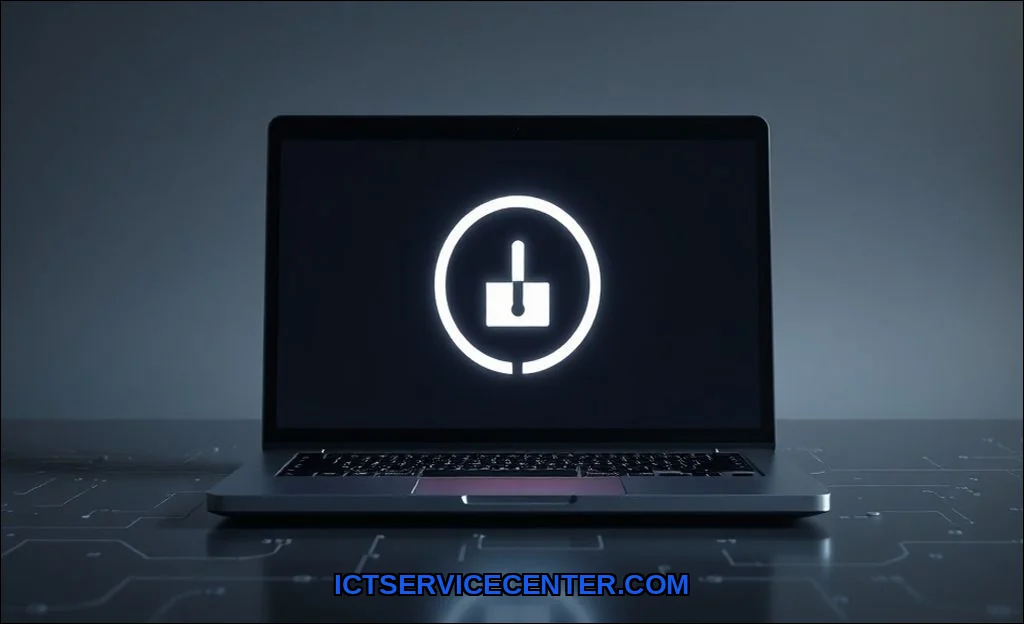
Not every boot failure is a RAM problem. But there are telltale signs. If your laptop powers on but shows nothing on the screen, that’s a classic symptom. So is a boot loop where the laptop starts, shuts off, and repeats endlessly.
Listen closely. Many laptops use beep codes to communicate hardware faults. A series of short or long beeps (often 2, 3, or 4 beeps) usually points to memory issues. Different manufacturers have different patterns, but repeated beeps during startup are a strong indicator.
Other symptoms include:
- System starts but freezes during POST
- Random crashes or blue screens before boot completes
- Laptop turns on but no display, with fans running at full speed
- Error messages like “Memory not detected” or “CMOS checksum error”
If your laptop isn’t starting after a recent RAM upgrade, that’s your first clue. Compatibility issues are common. But even if you haven’t touched the hardware, RAM modules can loosen over time due to heat cycles or physical jostling.
Step-by-Step Guide to Reseating RAM Modules
Before you buy new parts, try the simplest fix: reseat RAM. This means removing and reinserting the memory sticks. It solves a surprising number of boot problems.
What You’ll Need
- A small Phillips-head screwdriver (for most laptops)
- A clean, flat workspace with good lighting
- An anti-static wrist strap (optional but recommended)
The Process
- Power down completely and unplug the AC adapter.
- Remove the battery if it’s removable. Many modern laptops have internal batteriesskip this step if you can’t easily access it.
- Ground yourself by touching a metal surface (like the laptop’s unpainted metal frame). This prevents static discharge from damaging components.
- Locate the RAM compartment. It’s usually a small panel on the bottom of the laptop, secured by a few screws.
- Once inside, you’ll see the memory module(s) held in place by metal clips on each side.
- Gently push the clips outward. The RAM stick should pop up at a 30-45 degree angle.
- Slide the module straight out of its slot. Handle it by the edges onlynever touch the gold contacts.
- Inspect the contacts. Are they clean and shiny? If not, we’ll address that shortly.
- Reinsert the module at the same angle, then press down firmly until the clips snap back into place.
- Repeat for any additional sticks.
- Replace the panel, reconnect power, and try to boot.
If you have multiple RAM sticks, try booting with just one at a time. This isolates which module (or which slot) is causing the problem. A laptop that boots with one stick but not the other tells you exactly where the fault lies.
For this project, many professionals recommend using the Detroit Axle - anti-static mat and wrist strap kit to protect sensitive components during handling.
Cleaning RAM Slots and Contacts
Dust, oxidation, or debris on the contacts can prevent proper electrical connection. This is especially common in older laptops or those used in dusty environments.
Cleaning the RAM Module Contacts
Use a soft, lint-free cloth or a pencil eraser (yes, really). Gently rub the gold contacts lengthwise. Don’t scrub aggressivelyjust enough to remove any tarnish. A little isopropyl alcohol (90% or higher) on a cotton swab works well too. Let it dry completely before reinserting.
Cleaning the RAM Slot
This is trickier. Compressed air is your best friend here. Short bursts into the slot can dislodge dust. For stubborn debris, use a can of compressed air with a narrow nozzle attachment. Never use metal objects inside the slotyou can damage the delicate pins.
If you see visible corrosion or damage inside the slot, that’s a more serious issue. In that case, skip ahead to the replacement section.
Testing RAM with Built-in Diagnostics
Once your laptop boots again (or if it’s intermittently working), run a memory diagnostic to confirm stability. Both Windows and most laptop manufacturers include built-in tools.
Windows Memory Diagnostic
- Type “Windows Memory Diagnostic” in the Start menu search.
- Select “Restart now and check for problems.”
- The tool runs automatically after reboot. It may take 15-30 minutes.
- Results appear after Windows loads. Look for “Passed” or “Hardware problems were detected.”
Manufacturer Diagnostics
HP, Dell, and Lenovo all include hardware diagnostics accessible during boot. Usually, you press F2, F12, or Esc immediately after powering on. Look for a “System Test” or “Memory Test” option. These tests are more thorough than Windows’ built-in tool.
Pro tip: Run the test overnight if you have time. Some memory faults only appear after hours of stress testing.
Checking RAM Compatibility and Configuration
If you recently upgraded or replaced RAM, compatibility is the most likely culprit. Laptops are picky about memory. Here’s what to check:
Form Factor
Laptops use SODIMM modules, not the larger DIMMs found in desktops. They’re about half the size. Make sure you purchased SODIMM RAM.
Generation and Speed
DDR4 and DDR5 are not interchangeable. A DDR4 slot won’t physically accept a DDR5 module (and vice versa). Speed also matters. If you install a faster module than the motherboard supports, it will usually downclock to match. But mismatched speeds can cause instability.
Single vs Dual Channel
Most laptops perform better with matched pairs of RAM. If you install one 8GB stick and one 4GB stick, the system may run in single-channel mode (slower). For best results, use identical modules from the same kit.
Voltage Requirements
Standard laptop RAM runs at 1.2V (DDR4) or 1.1V (DDR5). Some high-performance modules require more voltage. Check your laptop’s specifications. Using incompatible voltage can cause POST failure or system instability.
Here’s a quick compatibility reference table:
| Specification | What to Check |
|---|---|
| Form Factor | SODIMM (laptop) vs DIMM (desktop) |
| Generation | DDR3, DDR4, or DDR5 |
| Speed | Matches motherboard max (e.g., 3200MHz) |
| Voltage | Standard 1.2V (DDR4) or 1.1V (DDR5) |
| Configuration | Single vs dual channel (matched pairs preferred) |
If your laptop won’t boot after installing new RAM, remove the new stick and try the old one. If it works, you’ve confirmed a compatibility issue. Return the new RAM and buy a module that matches your laptop’s exact specifications.
When to Replace or Seek Professional Repair
Sometimes, no amount of reseating or cleaning works. If you’ve tried everything above and your laptop won’t boot, it’s time to consider replacement or professional help.
Signs You Need New RAM
- Diagnostics consistently report errors on a specific module
- Physical damage to the RAM stick (cracks, bent pins, burnt contacts)
- Laptop only works with one specific slot, indicating a motherboard issue
- Multiple boot loop attempts that never stabilize
Replacing laptop RAM is straightforward on most models. Just match the specifications we discussed. If you’re unsure, use a tool like CPU-Z or Crucial’s System Scanner to identify your current memory.
When to Call a Pro
Some laptops have soldered RAM that can’t be upgraded. If yours is one of these, a failed RAM module means motherboard replacement. That’s a job for a repair center.
Similarly, if you’ve tried two different known-good RAM sticks and the laptop still won’t boot, the problem likely lies elsewherepossibly the motherboard’s memory controller or a damaged RAM slot. These require professional diagnosis.
If you’re dealing with other hardware issues, our guide on fixing a laptop battery that won’t charge covers similar troubleshooting steps. And if you’re stuck with a laptop keyboard that’s not responding, we have solutions for that too.
For more general laptop repair advice, HP’s guide on knowing when you need laptop repair offers useful perspective on hardware issues beyond just RAM.
Remember: RAM problems are among the most fixable laptop issues. Start with reseating, move to cleaning, then testing. Only after exhausting those steps should you consider replacement. And if you’re ever unsure, a professional repair is cheaper than replacing the entire laptop.
You’ve got this. Take it step by step, and you’ll likely have your laptop running again in under an hour.