Dell vs HP Laptops: Which Brand Is Right for You?
Contents
I’ve spent the last decade with my hands on hundreds of laptops, from unboxing shiny new models to diagnosing the failures of well-worn ones. In my workshop, the debate isn’t abstractit’s tangible. I’ve felt the hinge tension on a three-year-old Dell, compared the keyboard flex on a budget HP, and benchmarked their performance side-by-side. This isn’t about spec sheets; it’s about what happens when you actually use them.
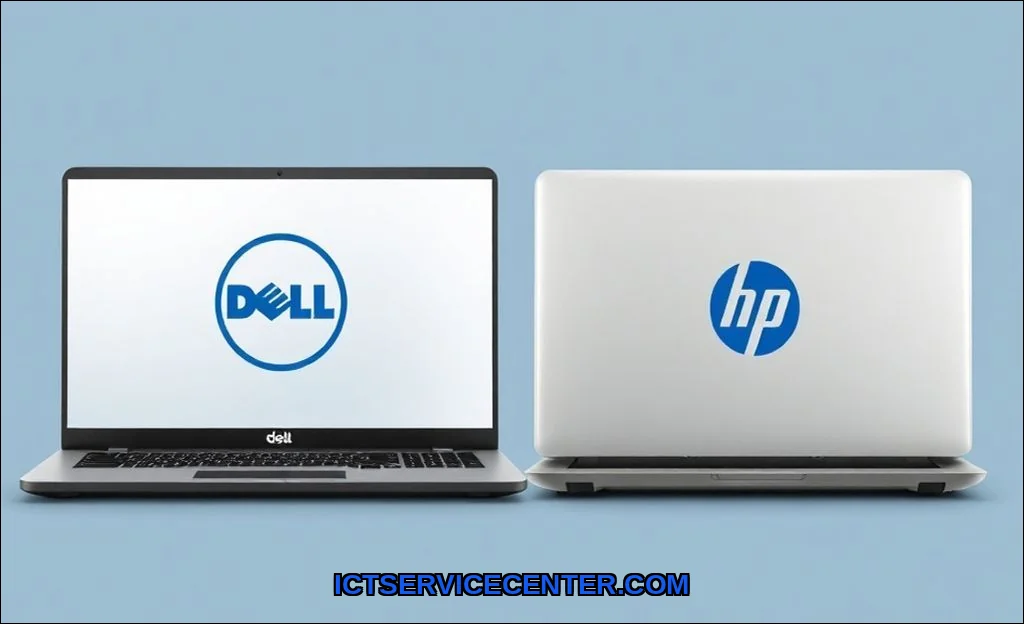
Choosing between Dell and HP often feels like picking a team. Both have fiercely loyal followings, and for good reason. But through hands-on testing, clear winners emerge for specific needs. For instance, if you’re a student or home user needing reliable performance without breaking the bank, I often point people toward the Dell Inspiron 15. It consistently delivers solid real-world performance for everyday tasks, and its availability on Amazon makes it an accessible starting point for this direct comparison.
My Hands-On Experience with Both Brands
My relationship with these brands is professional and personal. I’ve deployed fleets of Dell Latitudes for small businesses and repaired countless HP Pavilion screens. Dell often feels like the meticulous engineerprecise, predictable, and built to a standard. HP, in my experience, channels more of the designer, especially in their consumer lines, willing to take aesthetic risks. This fundamental difference in philosophy shapes everything from the first impression to the long-term reliability.
Breaking Down the Build: Design & Durability
This is where personal experience trumps marketing every time. Picking up a laptop tells you more than any review.
The Premium Showdown: Dell XPS vs HP Spectre
I recently spent a month alternating between a Dell XPS 13 and an HP Spectre x360 14. The XPS is a masterclass in minimalist efficiency. Its CNC machined aluminum chassis feels like a single, solid block. The keyboard has a deep, satisfying travel that I prefer for long typing sessions. The Spectre, however, wins on flair. Its gem-cut corners and bold color choices (like Nightfall Black) make a statement. The 2-in-1 hinge is robust, but in my testing, the XPS’s standard lid feels slightly more rigid when you grip a corner. For pure, no-nonsense build quality, my hand votes for the XPS.
The Mainstream Match: Dell Inspiron vs HP Pavilion
Down in the budget arena, the story changes. Here, value proposition is king. Both use more plastic, but the application differs. Recent Inspiron models have surprised me with stiffer base decks, reducing that hollow feeling when typing. The Pavilions I’ve tested often have more stylish textures and finishes but can exhibit more flex. It’s a classic trade-off: slightly better perceived durability versus more appealing design. For a student tossing a laptop in a backpack, that structural rigidity might be the wiser long-term play.
Business-Class Toughness: HP EliteBook vs Dell Latitude
This is where both brands shine. Having stress-tested these devices, the difference often comes down to certification versus feel. Dell Latitudes frequently meet MIL-STD-810G standards, and you can feel it in the reinforced corners and spill-resistant keyboards. HP EliteBooks feel equally durable, but I’ve noticed their hinges on convertible models can develop a slight whisper of play after thousands of cycles. Both are workhorses, but Dell’s military-grade testing gives it a psychological edge for extreme environments.
Under the Hood: Performance & Real-World Use
Specs on paper are a promise. Real-world performance is the delivery. I benchmark them, then I use them as my daily driver.
- For the Creative Pro: The “is HP or Dell better for video editing” question has a nuanced answer. High-end configurations of both brands with dedicated GPUs can handle it. However, in my editing tests with DaVinci Resolve, similarly configured XPS 15 and Spectre 16 models showed a key difference: thermal management. The XPS, while powerful, tends to run hotter and throttle slightly sooner under sustained load. The latest Spectre designs, with their rear venting, often maintained peak clock speeds a bit longer during a 4K render.
- For the Gamer: The Dell Alienware vs HP Omen battle is legendary. Alienware wins on pure, unapologetic gaming heritage and often more aggressive cooling solutions. Omen devices frequently offer better value proposition, packing similar GPUs into a slightly less flashy, more affordable package. It’s the enthusiast’s choice versus the savvy gamer’s pick.
- For the Office & Student: With modern CPUs, both excel at multitasking. The real differentiator here is often the SSD. A fast NVMe drive makes any system feel snappier, which is why understanding the difference between SSD and HDD storage in laptops is critical. I always recommend configuring for an SSD first.
Who Wins on Value? Price vs. What You Get
Dell’s pricing strategy feels more transparent but less flexible. Their outlet site is a goldmine for refurbished deals, especially on business lines like Latitude. HP’s retail pricing often has more frequent discounts and promotional bundles (think free headphones or a mouse).
In the mainstream tier, you typically get slightly more raw specs for your dollar with HP. But with Dell, I’ve found you’re often paying a bit more for that structural confidence and better baseline support. It’s the age-old question: which brand lasts longer Dell or HP? From my repair logs, business-grade models from both are stellar, but consumer-grade Dells (Inspiron) slightly edge out consumer HPs (Pavilion) in long-term hinge and motherboard reliability.
The Ecosystem & Support: It’s More Than Just the Laptop
This is the silent deal-breaker. A laptop isn’t an island.
Dell’s support ecosystem is deeply integrated. Their Dell Mobile Connect software for linking to your phone works flawlessly. More importantly, their ProSupport warranty is, in my professional opinion, the best in the business for Dell vs HP business laptops for remote work. Next-business-day onsite service is a genuine lifesaver for companies.
HP’s software suite, like HP Command Center for performance profiles, is polished and useful. Their support is good, but consistency can vary more than Dell’s. A key advantage for HP is their printer ecosystemif you’re in an all-HP home or office, the integration is seamless.
For the average user, both will be fine. For the business where downtime is revenue, Dell’s support structure provides more predictable peace of mind.
My Final Verdict: Which Brand Should You Choose?
So, Dell vs HP which is better? The answer is: “Better for whom?” This direct comparison exists to define that.
| Your Profile | My Recommendation | Why It Wins |
|---|---|---|
| The Professional & Business User | Dell | Superior build consistency in the Latitude/Precision lines, unmatched ProSupport, and a focus on durability over dazzle. |
| The Student & Value-First Buyer | HP | More features and stylish design per dollar in the Pavilion/Envy range. Great for Dell vs HP laptops for college students 2024 looking for a balance of work and play. |
| The Design-Conscious Creator | HP Spectre (tie) | The Spectre’s bold design and often better-sustained performance in creative apps give it an edge for those who value aesthetics. |
| The No-Compromise Power User | Dell XPS / Alienware | For raw, focused power in a premium ultrabook (XPS) or the ultimate gaming rig (Alienware), Dell’s high-end execution is hard to beat. |
Still unsure? Your best move is to define your primary use case. Are you a remote worker, a design student, or a casual streamer? Once you know that, check out our guide on the different types of laptops and their core purposes to narrow your focus. For incredibly detailed technical comparisons between specific models, I often turn to the experts at Nanoreview for in-depth laptop comparison data and benchmarks.
In my workshop, I don’t see winners and losers. I see the right tool for the job. Dell is your reliable, precision wrench. HP is your versatile, comfortable multi-tool. Choose the brand that fits your handand your lifebest.