Why Does My Laptop Keep Shutting Down Suddenly?
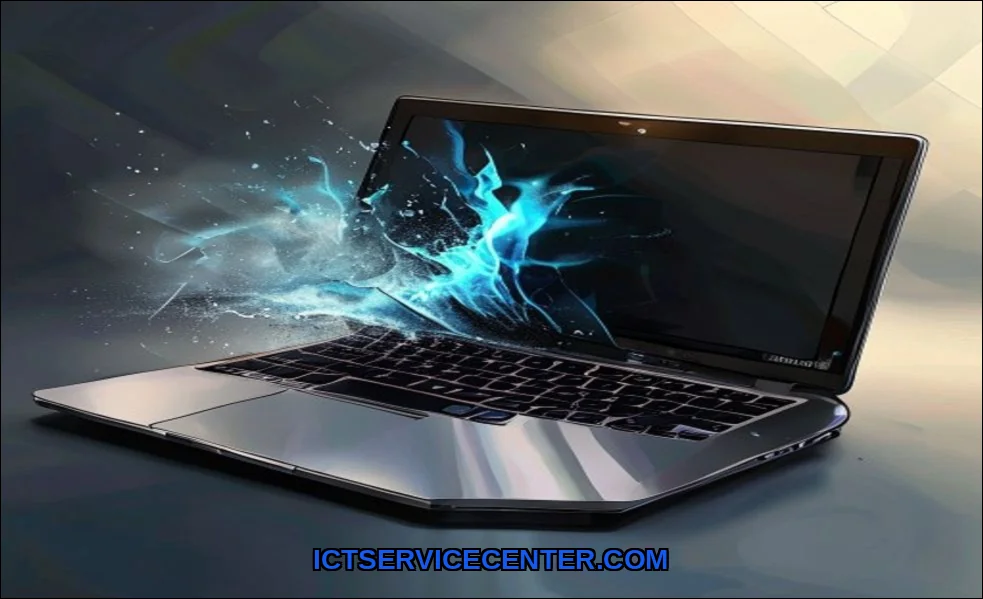
I was in the middle of a video edit last Tuesday when it happened again. The screen went black, the fans stopped whirring, and my laptop was just off. No warning, no spinning wheel of death, just silence. This wasn’t the first time, and if you’re reading this, it probably isn’t your first rodeo either. That sudden, jarring power-off feels like a betrayal. You lose work, momentum, and frankly, your cool.
Over years of repairing and testing everything from budget ultrabooks to high-end gaming rigs, I’ve seen this problem from every angle. The causes range from a simple clogged vent to a failing motherboard. Today, I’m walking you through my real-world diagnostic process, the same one I use in the shop. We’ll move past generic advice and into the specifics that actually help you pinpoint the issue. And if heat is your enemy, a good cooling pad can be a game-changer. For my own testing bench, I keep a havit HV-F2056 156-17its large, quiet fans and adjustable height have saved more than one machine from thermal meltdown during a long rendering session.
My Laptop Just Died: The Frustrating Reality of Sudden Shutdowns
Let’s be clear: a laptop shutting down randomly is almost always a symptom, not the disease itself. The system is hitting a hard limitbe it temperature, power, or a critical errorand is cutting power to prevent damage. It’s a protective measure, however infuriating. The key is to become a detective. When does it happen? Only on battery? Exclusively during gaming? Does it feel hot to the touch? These clues are your first leads.
The Heat is On: Overheating as the Prime Suspect
In my experience, overheating is the number one culprit for an automatic shutdown. Modern CPUs and GPUs have strict thermal ceilings. When they’re exceeded, the system will first try thermal throttlingslowing performance to cool down. If that fails, it pulls the plug. Hard.
Common Culprits I Find Inside
- Dust Bunnies: It’s astounding how much dust can compact into a heatsink in just a year. I’ve pulled out mats that looked like felt.
- Fan Failure: A fan that’s stopped, is clogged, or sounds like a grinding coffee maker isn’t moving air. Your laptop fan not working is a direct ticket to a laptop overheating shutdown.
- Dried Thermal Paste: The thermal interface material between the CPU/GPU and the heatsink can dry out and crack over 2-3 years, killing its ability to transfer heat.
If your laptop shuts down when playing games suddenly, this is almost certainly the arena. Gaming pushes both CPU and GPU to their thermal limits, exposing any cooling weakness. This is also a core reason behind why some laptops sustain performance better than otherssuperior thermal design.
Power Play: When Your Laptop’s Energy Supply Falters
If the machine isn’t hot, look to its lifeline: power. This manifests in two main ways.
The Battery & Adapter Tango
A failing battery can’t supply stable voltage under load. If why does my laptop shut down when I unplug it is your search history, the battery is suspect number one. The moment you switch to the unstable battery power, the voltage dips and the system crashes. Conversely, a faulty AC adapter can’t provide enough wattage, causing a shutdown under heavy use even when “plugged in.”
Motherboard Power Regulation
This is more serious. The motherboard’s Voltage Regulator Modules (VRMs) manage power to the CPU and GPU. If they overheat or fail, the component gets unstable power and the system halts. This can feel identical to an overheating issue.
Software Sabotage: Updates, Drivers, and Malware
Not every sudden shutdown is hardware. Software can trigger it, though it often gives a warning like a BSOD (Blue Screen of Death) first.
- Driver Conflicts: A bad graphics or chipset driver is a classic instigator. A recent update might be the cause.
- Power Settings & OS Bugs: Aggressive or corrupted power plan settings can tell the system to sleep or hibernate incorrectly. I’ve seen Windows updates introduce bugs that cause unexpected power off.
- Malware: Rare, but certain malware can overwork components or directly interfere with system processes to cause a crash.
Hardware Headaches: From RAM to Motherboards
When a core component fails, the system can’t continue. This is what many fear when their laptop turns off after a few minutes and won’t turn on.
- RAM: Faulty RAM can cause immediate crashes when the bad sector is accessed.
- Storage (HDD/SSD): A failing drive with critical system files can lead to a crash, though you’ll usually see freezing or errors first.
- Motherboard: The ultimate failure. Capacitors can bulge, circuits can crack. It’s often a diagnosis of exclusion.
- The CMOS Battery: A missing entity in most guides! This tiny battery on the motherboard saves your BIOS/UEFI settings and keeps the system clock. When it dies, it can cause boot failures or strange instability that feels like a PC suddenly powers off.
My Step-by-Step Diagnostic Process: What I Actually Try
Heres my field-tested sequence. I start simple and move to complex.
- Gather Intel: I note the exact scenario. On battery or AC? Under load or idle? Any new software or hardware?
- The Overheat Test: I run a stress test (like Prime95 or FurMark) while monitoring temperatures with HWMonitor. If temps soar past 95C before shutdown, it’s thermal.
- The Power Test: I remove the battery and run solely on AC adapter. If the crashes stop, the battery is bad. If crashes continue only under high load, the AC adapter may be underpowered or failing.
- The AC/Battery Clue: This is critical. Problems only on battery point to the battery. Problems only on AC point to the adapter or internal power regulation. Problems on both point to overheating or a major hardware fault.
- Software Scrub: I boot into Safe Mode. If the system is stable there, a driver or software conflict is likely. I then check power plan settings, update BIOS/UEFI (carefully!), and roll back recent drivers.
- Hardware Isolation: I reseat the RAM and run a memory diagnostic. For storage, I check S.M.A.R.T. data using CrystalDiskInfo.
- BIOS/UEFI Deep Dive: I reset settings to default. I look for any aggressive fan controls or power-saving features that might be too aggressive and disable them.
This process often reveals the common factors that slow down a laptop, like thermal paste degradation and drive wear, which are precursors to bigger shutdown issues.
When to Call in the Pros vs. What You Can Fix
Be honest with your skill level and tools.
You can likely handle: Cleaning dust from external vents, updating drivers/BIOS, tweaking power settings, running malware scans, and using a cooling pad. Replacing a user-accessible battery or RAM is also doable for many.
Time to call a pro (like us): Internal disassembly for deep cleaning or fan replacement, reapplying thermal paste, diagnosing motherboard-level power issues, replacing the CMOS battery, or soldering any components. If you’re facing a laptop turns off by itself and you’ve done the basic checks, professional diagnostics can save you time and prevent data loss.
For those looking to understand the broader ecosystem, manufacturers like HP provide useful insights into modern laptop design and categories, which helps explain why a business ultrabook might handle heat differently than a gaming laptop.
The Bottom Line
Sudden shutdowns are a puzzle, but rarely an unsolvable one. Start with the physical: heat and power. Listen to the clues your laptop gives you. Is it hot? Does it only happen on battery? That experiential evidence is more valuable than any generic troubleshooting list. Most times, it’s a maintenance issuedust, dried paste, a worn battery. Sometimes, it’s a deeper hardware farewell. Don’t ignore the early warnings like gradual slow-downs or fan noise; they’re often the prologue to the sudden computer shuts down randomly climax. Address them early, and you might just avoid the black screen of frustration altogether.