Why Laptop Batteries Lose Capacity Over Time
Contents
Ive lost count of how many times a client has walked into my workshop, laptop in hand, with that same frustrated look. “It was fine last year,” they say. “Now it dies if I unplug it for an hour.” Ive felt that same sinking feeling myself. You buy a sleek new machine, and for a while, it feels like freedom. Then, slowly, that freedom gets chained to the nearest power outlet. The battery just doesn’t hold a charge like it used to.
Its not your imagination, and its rarely a simple software glitch. Battery degradation is a physical, chemical reality. After testing dozens of laptops from brands like Apple, Dell, and HP, and replacing hundreds of swollen or dead cells, Ive seen the patterns. The decline is inevitable, but how fast it happens? Thats largely in your hands. Let’s talk about why this happens, and what you can actually do about it.

The Inevitable Chemistry: Why All Batteries Wear Out
Every modern laptop runs on a lithium-ion battery. I think of it as a tiny chemical reactor. Inside, lithium ions shuttle between a positive and negative electrode. Every time you charge and discharge, that shuttle runs its route. But its not a perfect system. With each trip, microscopic wear and tear occurs. Lithium gets trapped, the electrolyte breaks down, and internal resistance builds up.
This is the root of battery capacity loss. A brand-new battery might be a 60Wh unit. After a few hundred charge cycles, it might only be able to store 50Wh. Your laptops operating system still sees a “100%” charge, but thats 100% of a now-smaller tank. This is what we call battery wear. Its why your two-year-old laptop battery dies so fast compared to day one. The chemistry simply can’t run forever.
Beyond Basic Cycles: Depth of Discharge Matters
Most guides talk about cycle count, but few dig into Depth of Discharge (DoD). This was a game-changer in my understanding. A “cycle” isn’t just plugging in from 0% to 100%. If you drain your battery from 100% to 50% twice, that also equals one full cycle (50% + 50% = 100% discharge). Heres the kicker: shallow discharges are gentler. Consistently draining a battery to 0% before charging stresses it far more than topping it up from 40%. Think of it like bending a piece of metalrepeated, deep bends cause it to fatigue and crack faster.
Heat is the Enemy: How Temperature Kills Your Battery
If chemistry is the natural aging process, heat is the fast-forward button. Heat degradation is the single biggest environmental factor I see destroying batteries prematurely. Inside a laptop, two primary heat sources exist: the external environment and the laptops own internals.
Lithium-ion chemistry hates heat. Prolonged exposure to temperatures above 30C (86F) accelerates every damaging chemical reaction inside the cell. Gaming laptops are particularly vulnerable. Ive opened up machines where the battery is nestled right next to a scorching-hot GPU heatsink, cooking itself for hours during a marathon session. A puffy, dangerous battery in half the expected time.
This is also why leaving a laptop in a hot car is a death sentence. Its not just an immediate risk of fire; its a guaranteed, rapid erosion of your battery lifespan. For context, a battery stored at 25C might lose 20% capacity per year. At 40C, that loss can double or triple.
My Charging Habits: What I Learned the Hard Way
I used to be a “drain to zero, then charge to full” person. Old habits from nickel-cadmium batteries die hard. With lithium-ion, thats the worst thing you can do. My perspective changed after monitoring battery health on my own devices for years.
The biggest myth? Is it bad to keep laptop plugged in all the time? The answer is nuanced. Modern systems from Apple, Dell, and HP have smart Battery Management Systems (BMS) that stop charging at 100% and run on AC power. The real danger isn’t “overcharging”it’s the combination of being plugged in at 100% while the laptop is hot from heavy use. Thats a brutal one-two punch of high state of charge and high temperature.
What works for me now, and what I recommend:
- Avoid the extremes: Try to keep your battery between 20% and 80% for daily use. Its not always practical, but it dramatically reduces stress.
- Unplug when hot: If youre rendering video or gaming and the chassis is hot to the touch, unplug if you can. Let the battery discharge a bit to reduce thermal load.
- Store it half-charged: If storing a laptop for months, leave the battery at around 50%. A full or empty battery degrades faster in storage.
The Software Side: How Your OS Drains Battery Health
Your operating system and apps are silent partners in battery crime. Its not just about screen brightness. Background processes, outdated drivers, and even certain settings can cause excessive battery cycle count by forcing more frequent charges.
I once diagnosed a laptop battery not holding charge on a relatively new machine. The culprit? A buggy cloud sync app was preventing sleep, keeping the CPU active, and causing the machine to drain and recharge multiple times a day while “idle” in a backpack. This relentless, small cycling wore the battery out in months. Checking whats slowing down your laptops performance is often the first step to solving mysterious battery drain, as many background tasks affect both.
This is where battery calibration and power management settings come in. Every few months, I let a battery drain to near-empty (but not a forced shutdown), then charge it uninterrupted to full. This helps the laptops power meter accurately gauge the remaining capacity. For Windows and macOS, digging into power-saving modes and background app permissions is crucial. Its a digital form of maintenance, just like defragging a hard drive used to be.
Real-World Lifespan: What to Expect from Your Laptop
So, how many years does a laptop battery last? Based on my bench experience, heres the honest breakdown:
| Laptop Type | Typical Lifespan to 80% Health | Key Stress Factors |
|---|---|---|
| Ultrabooks & Business Laptops | 3-4 years | Better heat management, lighter workloads. |
| Mainstream Consumer Laptops | 2-3 years | Variable cooling, mixed usage patterns. |
| Gaming & Workstation Laptops | 1.5-2.5 years | Intense heat, high C-Rate (discharge rate) during use. |
The C-Rate is another missing piece. It measures how fast a battery is charged or discharged relative to its size. Gaming at full throttle demands a high C-Rate from the battery, generating more internal heat and strain than casual web browsing. This is a core reason why gaming laptop batteries often have shorter lifespans.
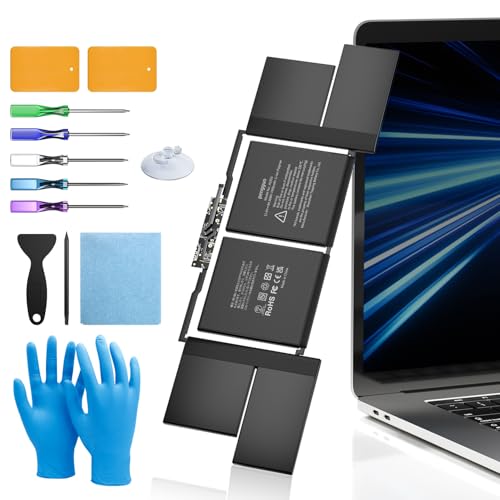
When replacement time comes, using a high-quality, OEM-compatible battery is non-negotiable. Ive seen the aftermath of cheap, no-name cellstheyre a safety hazard. For a reliable option for many HP models, the HT03XL L11119-855 Laptop battery is a part Ive used successfully in repairs. It matches the original specifications, which is vital for safety and longevity.
Practical Tips from My Experience: Slowing the Decline
You cant stop degradation, but you can absolutely brake hard. Heres my hands-on protocol for maximizing battery life.
- Manage Your Charge State: Use software (many brands include it) to set a charge limit to 80% for daily plugged-in use.
- Keep It Cool: Ensure air vents are clean. Use a hard, flat surface. In hot climates, a cooling pad can be a worthwhile investment.
- Update Everything: OS, BIOS, and driver updates often include power management improvements. A slow boot time can sometimes point to underlying software issues that also affect power efficiency.
- Audit Background Apps: Check what launches at startup and runs in the background. Be ruthless. Fewer background processes mean less idle drain.
- Adapt Your Usage: For long-term plugged-in use (like a desktop replacement), consider partially charging the battery, then removing it if the design allows (increasingly rare). If not, follow tip #1.
For more detailed strategies on maintaining overall system health, which goes hand-in-hand with battery care, our guide on what slows down a laptop over time covers related software and hardware factors.
A Note on Warranties and When to Replace
Most manufacturer warranties cover a battery defect for one year, but not battery capacity loss from normal wear. Once your battery health (checkable in macOS or via utilities on Windows) drops below 80%, youll really feel the reduced runtime. Thats the industry threshold for considering a replacement. If the battery is physically swollenstop using it immediately. Thats a critical safety issue.
For a deeper dive into manufacturer perspectives on laptop care, HPs official resource on laptop computers and maintenance offers useful complementary advice.
Watching a laptop battery fade is a universal tech experience. Its a reminder that our devices are physical objects, subject to the laws of chemistry and physics. The goal isnt to prevent the inevitable, but to avoid accelerating it through heat and poor charging habits. Be kind to your battery. Manage the heat, avoid constant 100% charges, and keep an eye on software drain. Do that, and youll get every last day of usable life out of that chemical reactor in your chassis. And when it finally gives up the ghost, youll know it lived a good, long life.