
I’ve seen that blinking power light more times than I can count. A client places a silent, dark laptop on my bench, their face etched with that familiar mix of frustration and dread. “It was working yesterday,” they say. I hear it every day. The truth is, a laptop that won’t turn on even when plugged in is one of the most commonand most solvableproblems I encounter. Let me walk you through exactly what I do on my workbench, from the simplest checks to the more complex diagnoses.
This isn’t about vague advice. It’s a step-by-step guide born from hundreds of repairs. We’ll move logically, because time spent checking the wrong thing is time wasted. I’ll share the shortcuts, the “aha” moments, and the hard truths I’ve learned from brands like Dell, HP, and Lenovo. And sometimes, the fix is surprisingly simple, like ensuring you’re using the right gear. For many HP models, for instance, a faulty or generic charger is a prime suspect. In my toolkit, I always keep a reliable Charger Compatible HP for testingit’s saved the day more than once by instantly ruling out power supply issues.
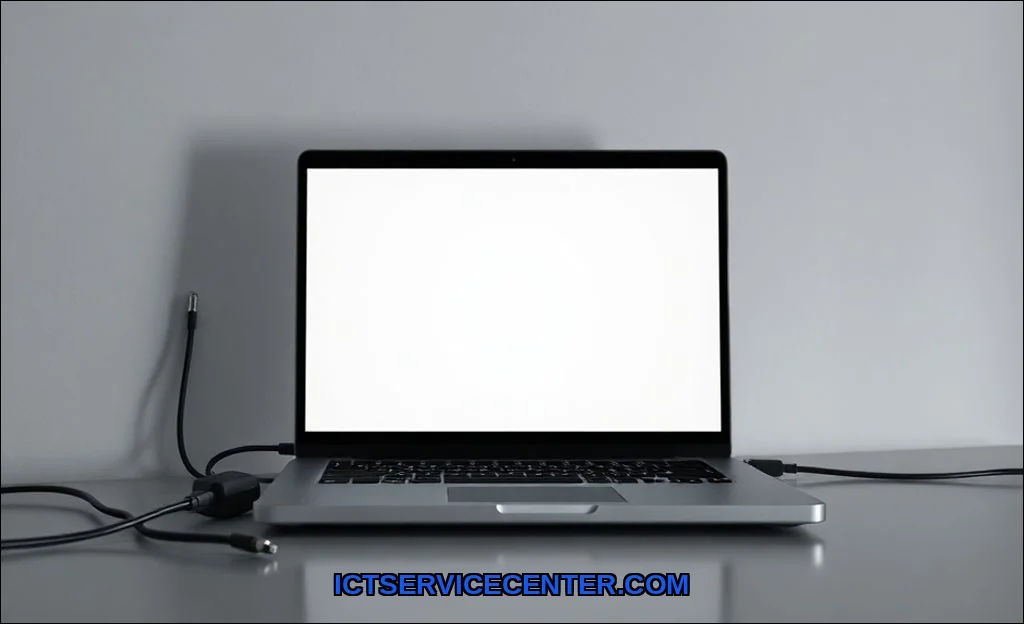
The Dreaded Black Screen: My First-Hand Experience
Just last week, a ThinkPad came in, completely lifeless. No lights, no fan spin, nothing. The owner was convinced it was a motherboard failure. I started with the basics, and within ten minutes, it was booting. The relief on their face? That’s why I do this. The key is systematic elimination. You can’t assume the worst. You have to verify each component in the chain, from the wall outlet to the CPU. Panic is the enemy of good troubleshooting.
Start Simple: The Power Supply Check (What I Always Do First)
90% of “dead” laptops I see have a power-related root cause. This is always my starting point. I treat it like a detective tracing a wire.
- Wall Outlet & Cable: I plug a lamp or phone charger into the same outlet. Is it live? I then inspect the AC cable for frays or bent pins. It sounds trivial, but you’d be surprised.
- The Power Adapter Test: This is critical. A charger can show a green light but still fail under load. I use a multimeter to check the DC output voltage at the tip. It should match the rating on the brick (e.g., 19.5V). No multimeter? Try a known-good charger from the same brand. This single step answers why is my laptop not turning on even though it’s plugged in more often than anything else.
- DC-in Jack: Here’s a missing entity many guides skip. The physical port where you plug the charger (the DC-in jack) can become loose or damaged from wear. I wiggle the connector gently while it’s plugged in. If the charging light flickers, the port likely needs re-solderinga common point of failure.
If everything here checks out, but the laptop battery not charging, the issue may be internal. It’s worth considering your long-term laptop battery replacement strategy once we get it powered on.
The Essential Hard Reset
Before we open anything, we perform a hard reset. This clears residual power that can lock up components. Here’s my exact process:
- Unplug the charger and remove the battery (if it’s removable).
- Hold down the power button for a full 60 seconds. I time it.
- With everything still disconnected, press the power button a few more times to discharge any capacitors.
- Reconnect only the AC charger (leave the battery out) and try to power on.
This simple procedure has revived countless machines with a laptop dead no lights symptom. It’s my go-to first move after checking the charger.
The Hardware Deep Dive: From RAM to Motherboard
If we still have no signs of life, it’s time to look inside. This is where we separate simple fixes from complex repairs. Remember: static safety first. I always use an anti-static wrist strap.
Checking Internal Components
I work methodically, testing one variable at a time.
- RAM: A faulty stick can prevent POST (Power-On Self-Test). I remove all RAM, clean the contacts with isopropyl alcohol, and re-seat them firmly. I test with one stick at a time in different slots.
- CMOS Battery: Another often-overlooked missing entity. This small coin-cell battery on the motherboard powers the BIOS memory when the main battery is dead. A dead CMOS battery can cause boot failures or incorrect system time. I test it with a multimeter; below 2.5V means replace it.
- Disconnect Peripherals: I unplug the internal hard drive, Wi-Fi card, and keyboard. The goal is to boot to the bare minimum: motherboard, CPU, one RAM stick, and screen.
Listening for Clues
A laptop makes noise but no display tells a specific story. Fans spinning and hard drives whirring mean the motherboard is getting power. The issue is likely with the display, its cable, or the GPU. I connect an external monitor. If it works, the problem is isolated to the laptop’s internal screen or its connector.
Thermal Shutdown: The Silent Killer
Excessive dust clogging the heatsinks and fans can cause the CPU to overheat instantly on power-up, triggering an immediate shutdown. It looks like a dead laptop. I always check for dust buildup and listen for abnormal fan noisesa high-pitched whine or complete silence is a bad sign. Proper maintenance, like knowing the best practices for keeping your laptop plugged in, can prevent these thermal issues over time.
When Software is the Culprit: BIOS and Beyond
It seems counterintuitive, but software can stop a laptop from showing any life. The main suspect is the BIOS (Basic Input/Output System).
Performing a BIOS Reset
A corrupted BIOS setting can brick your machine. Resetting it is different from a hard reset. For most laptops:
- Open the chassis and locate the CMOS battery (as mentioned above).
- Remove it and unplug the main battery/charger.
- Hold the power button down for 60 seconds to drain all residual charge.
- Wait 5-10 minutes, then reinsert the CMOS battery and reconnect power.
This forces the BIOS to revert to factory defaults, which can recover from a failed update or incorrect configuration.
The Professional’s Verdict: When to Call for Help
After all these steps, if the laptop is still a brick, we’re likely facing a serious hardware fault. This is the point where DIY meets diminishing returns.
- Motherboard Failure: This is the big one. Symptoms include a burning smell, visible damage (bulging capacitors), or absolutely zero component activity after all other checks. Repair requires micro-soldering and advanced diagnostics.
- Short Circuit: A short on the board will cause the power adapter light to go out or flicker when plugged in.
- CPU/GPU Failure: Rare, but possible, especially after liquid damage or extreme overheating.
This is when you need to weigh the laptop repair cost against replacement. For complex board-level issues, a specialist is required. For comprehensive steps, even HP’s official support has a useful guide on basic laptop power troubleshooting that aligns with this process.
My Final Checklist: A Step-by-Step Guide from My Bench
Heres my condensed action plan for how to fix a laptop that won’t turn on or charge. Follow it in order.
- Verify Power Source: Test outlet, check AC cable, inspect power adapter and DC-in port for damage.
- Perform Hard Reset: Remove battery & charger, hold power for 60 seconds, reconnect AC power only.
- Listen & Observe: Any lights? Any sounds (fans, beeps, HDD)? This dictates the next step.
- Test Display: Connect an external monitor. Rule out a laptop plugged in but black screen issue.
- Internal Inspection: (If comfortable) Reseat RAM, check for dust, disconnect non-essential hardware.
- Reset BIOS: Remove CMOS battery to clear BIOS settings back to factory default.
- Seek Professional Diagnosis: If all else fails, the issue is likely a major component like the motherboard.
Facing a laptop shows no signs of power when plugged in is stressful, but it’s rarely hopeless. I’ve brought back laptops declared dead by their owners using just the first three steps on this list. The process is about patience and logic, not magic. Start with the free, simple checks. Move inward only when you have to. And know that sometimes, calling a pro isn’t defeatit’s the smartest way to save your data and possibly your machine. Now you know what I know. Go see if you can get that light to turn on.