How to Fix Stuck Keys on a Laptop Quick & Easy Solutions
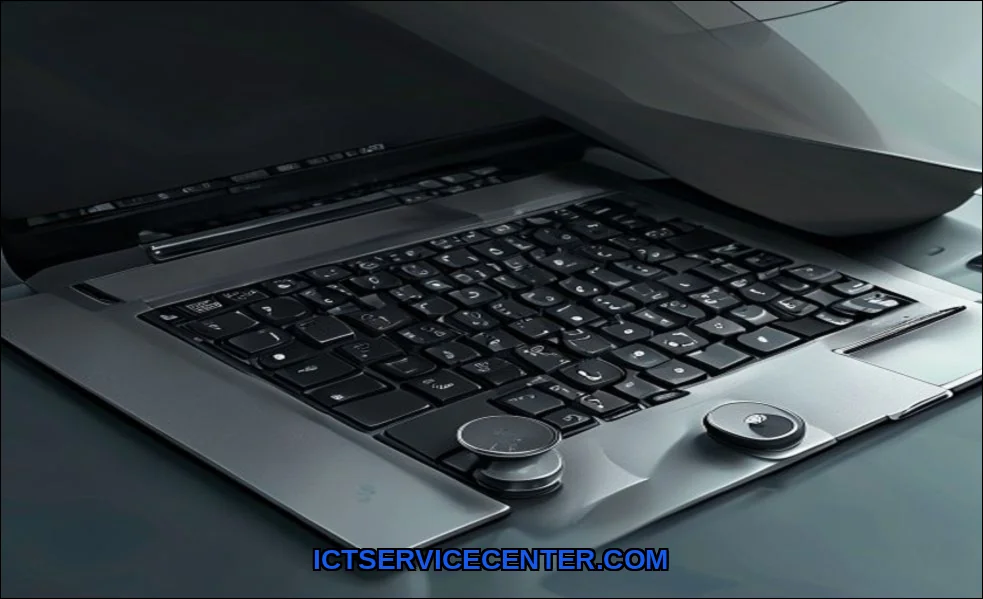
There you are, mid-email, and suddenly a letter keeps repeating. Or worse, your spacebar refuses to spring back. A stuck key on a laptop keyboard can bring your workflow to a grinding halt. Its frustrating, but its rarely a death sentence for your machine. Most sticky key issues have straightforward fixes you can perform with a few basic tools and a little patience.
Before you start pricing out replacement keyboards or new laptops, take a breath. Well walk through the common culprits, the tools youll need, and the step-by-step cleaning methods that resolve the vast majority of these problems. Youll likely be back to typing smoothly within the next fifteen minutes.
Common Causes of Stuck Laptop Keys
Understanding why a key is sticking helps you choose the right fix. The cause is almost always physical, not software-related. Here are the usual suspects:
- Debris and Dust: Crumbs, pet hair, and general dust accumulate under keycaps over time. This grit jams the delicate scissor-switch mechanism that gives modern laptop keys their crisp feel.
- Sticky Spills: A drop of coffee, soda, or juice seeps under the keycap. The sugar and residue dry into a tacky film that glues the key down or makes it sluggish. This is the most common cause of a keyboard key stuck down laptop scenario.
- Physical Damage: Dropping the laptop or pressing a key at an odd angle can break the plastic hinges or the rubber dome beneath. This often requires a keycap replacement or professional repair.
- Accessibility Settings (Rare): Windows has a feature called Sticky Keys, designed for users who have difficulty holding multiple keys at once. It can make keys feel stuck. Well cover this later, as its a missing entity many guides overlook.
Identifying the cause is your first step. If you recently spilled something, thats your prime suspect. If you havent cleaned your keyboard in a year, debris is likely the issue.
Tools Youll Need to Fix Stuck Keys
You dont need a full repair kit, but having the right tools makes the job safer and more effective. Gather these before you start:
| Tool | Purpose |
|---|---|
| Compressed air duster | Blows out loose debris without touching the keycap. |
| Keycap removal tool or plastic spudger | Safely pries off keycaps without scratching the surrounding keys or frame. |
| 90% or higher isopropyl alcohol | Evaporates quickly and dissolves sticky residues without damaging electronics. |
| Cotton swabs and a lint-free microfiber cloth | Apply cleaning solution precisely and wipe away grime. |
| Small tweezers | Helpful for realigning tiny plastic hinges on the scissor-switch mechanism. |
For this project, many professionals recommend using the cobee Keycap Remover. Its wire-loop design grips the keycap evenly, reducing the risk of cracking the plastic or bending the metal retainer clips underneath. Its a small investment that pays for itself the first time you avoid breaking a key.
Step-by-Step Guide to Clean Stuck Keys
Lets start with the least invasive method. This works best for debris or light stickiness.
- Power Down and Unplug. Shut down your laptop completely. Remove the power cable. If possible, remove the battery (many modern laptops have sealed batteries, so just ensure its off).
- Invert and Tap. Turn the laptop upside down. Give it a few gentle taps on the bottom panel. This dislodges larger crumbs. Follow up with a short burst of compressed air at a 45-degree angle across the keyboard rows.
- Target the Stuck Key. Hold the can of compressed air upright. Use short bursts aimed directly under the stuck keycap from multiple sides. Move the straw around the edges of the key.
- Test the Key. Press the key several times. If it springs back normally, youre done. If it still feels sluggish or sticky, move to the next step.
This method resolves about 60% of stuck key issues. If it doesnt work, you need to get under the keycap.
Deep Cleaning a Sticky Key (After a Spill)
For residue from soda, juice, or coffee, compressed air alone wont cut it. You need to dissolve the sugar or syrup.
- Dampen a cotton swab with isopropyl alcohol. It should be moist, not dripping. Excess liquid can seep into the keyboard membrane below.
- Gently work the swab around the edges of the stuck keycap. Press the key down and run the swab along the gap between the keycap and the keyboard frame.
- Press the key repeatedly while the alcohol is present. This works the solvent into the scissor-switch mechanism.
- Wait 2-3 minutes for the alcohol to evaporate completely. Test the key again. Repeat if necessary.
This is often the best way to clean sticky laptop keys without removing the keycap. Its safe for most keyboards, including those on HP, Dell, and Lenovo laptops.
How to Remove and Reattach Keycaps Safely
If the key is still stuck after the alcohol cleaning, you need to remove the keycap. This is where caution is critical. The plastic clips underneath are fragile.
- Position the tool. Align the keycap removal tool under one corner of the keycap. For larger keys (Spacebar, Shift, Enter), start at a corner on the side, not the middle.
- Apply even, upward pressure. Gently lift. The keycap should pop off with a soft click. Do not twist or pry aggressively. If it doesnt pop, try a different corner.
- Inspect the mechanism. Youll see a white or clear plastic scissor-switch mechanism attached to the keyboard base. Look for broken clips or sticky residue on the rubber dome beneath.
- Clean the keycap and mechanism. Soak the keycap in warm, soapy water for a few minutes (if its a plastic keycap). Dry it thoroughly. Use a cotton swab dipped in isopropyl alcohol to clean the scissor-switch and the rubber dome.
- Reattach the keycap. Align the keycap over the scissor-switch. Press down firmly and evenly on all four corners until you hear a snap. Test the key before moving on.
If youre wondering how to fix stuck keys on laptop without removing keycaps, the alcohol swab method above is your best bet. Removing keycaps is a last resort, but its often the only way to fully clean a sticky spill.
What to Do If a Key Is Physically Damaged
Sometimes, a key is stuck because a plastic hinge is cracked or the rubber dome is torn. Cleaning wont fix broken plastic. Heres how to assess the damage:
- Broken scissor-switch clips: The keycap may sit crooked or wobble. You can sometimes buy replacement scissor-switch mechanisms online for specific models. Replacing them requires steady hands and a tiny screwdriver.
- Missing or torn rubber dome: This is part of the keyboard membrane. If the dome is damaged, the key will not register presses. This usually requires a full keyboard replacement.
- Bent keycap retainer (on older laptops): Some older models use a metal wire retainer. These can be carefully bent back into shape with tweezers.
If the physical mechanism is broken, your options are limited. You can purchase a single replacement keycap and hinge assembly online for under $10. If the damage is to the keyboard itself, youre looking at a replacement keyboard module. This is a job best left to professionals, especially on ultrabooks where the keyboard is riveted to the palm rest.
When to Seek Professional Laptop Repair
You can handle a lot of keyboard issues at home. But some situations call for expert help. Consider professional repair if:
- Multiple keys are stuck or unresponsive, indicating a spill has damaged the keyboard membrane underneath.
- Youve removed a keycap and broken a plastic clip. A technician can source the correct replacement part.
- Your laptop is still under warranty. Attempting a keyboard replacement yourself can void the warranty.
- The keyboard is integrated into the top case (common on Apple MacBooks and some premium ultrabooks). This requires disassembling the entire laptop.
A good repair shop will diagnose the problem quickly. They can test the keyboard with specialized keyboard testing software to confirm whether the issue is mechanical or electrical. If youre unsure about tackling the repair yourself, its better to ask for help than to cause additional damage. For more signs that your device might need professional attention, check out this guide on common indicators of laptop repair needs.
Dont forget to check the software side. Before you give up, go to your Windows accessibility settings and turn off Sticky Keys. This feature, intended to help with key combinations, can make it feel like a key is stuck down. Press the Shift key five times to toggle it on or off quickly. Its a simple check that saves many unnecessary repairs.
If your laptop is running slowly in addition to having sticky keys, addressing both issues can dramatically improve your experience. Learn more about optimizing performance without hardware upgrades to keep your system running smoothly.
Preventing Future Sticky Keys
An ounce of prevention is worth a pound of repair. Keep your keyboard clean with these habits:
- Eat and drink away from your laptop. This is the single most effective prevention method.
- Use a keyboard cover or skin. It protects against dust and small spills.
- Clean your keyboard weekly with compressed air. A quick blast prevents debris from building up.
- If you do spill something, power down immediately. Turn the laptop upside down to drain the liquid. Do not press keys. Let it dry for 24-48 hours before testing.
By following these steps, you can keep your keyboard feeling responsive for years. A stuck key is almost always fixable with patience and the right approach. Start with the simplest method, work your way up, and dont hesitate to call a professional if youre out of your depth. Your fingers will thank you.