How to Fix a Laptop Shutting Down Due to Heat
Contents
Its a frustrating experience. You are in the middle of an important task, a critical work presentation, or the final boss fight in a game, and suddenly the screen goes black. Your laptop just shuts off. No warning, no blue screen, just silence. You press the power button, and it comes back to life, only to die again a few minutes later. If this sounds familiar, you are almost certainly dealing with a laptop overheating shutdown fix situation.
This isn’t a random glitch. It is your computers most important safety feature kicking in. Your laptop is protecting its internal components from permanent damage. The good news is that this is often a fixable problem. We are going to walk through the exact steps to diagnose, cool down, and repair your system, whether it needs a simple cleaning or a more involved repair.
Why Your Laptop Shuts Down From Heat: The Simple Explanation
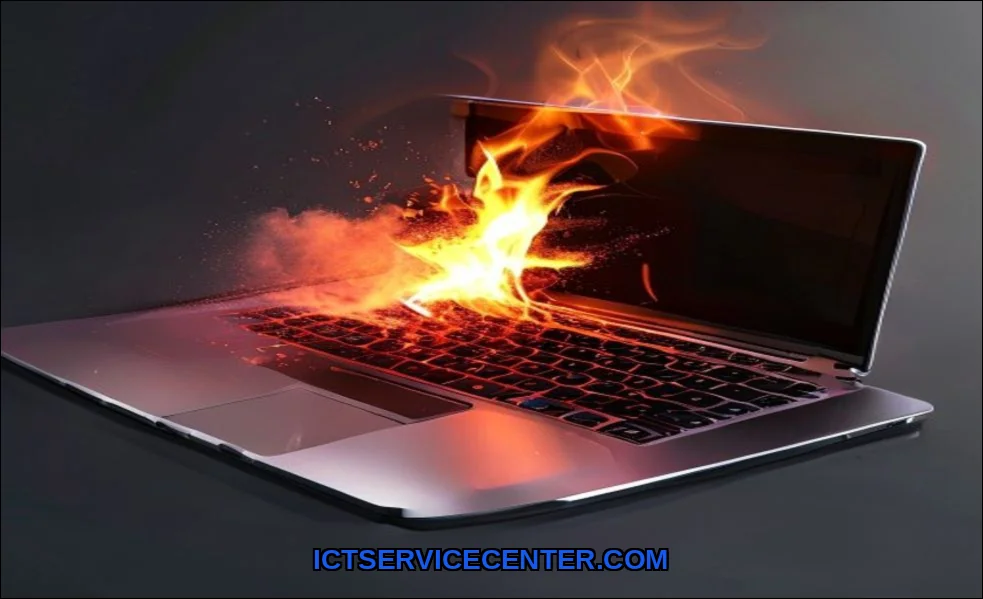
Think of your laptops cooling system as a miniature radiator. The CPU and GPU generate intense heat when they work. This heat travels through a metal plate (the heat sink) and is blown out of the chassis by a small fan. When airflow is blocked, or the thermal paste connecting the chips to the heat sink dries out, the heat gets trapped. Temperatures spike past the safe limit, and the motherboard triggers an emergency shutdown to prevent a fire or a melted processor.
Understanding Thermal Throttling vs. Emergency Shutdown
Before the final shutdown, your laptop tries to save itself. This is called thermal throttling. You might notice your system slowing down, the fan getting loud, or the screen stuttering. The system is deliberately reducing performance to lower heat. If throttling fails to bring the temperature down, the system initiates the hard shutdown. You are seeing the final safety net, not the first warning sign.
Immediate Steps to Cool Down an Overheating Laptop
If your laptop is currently hot to the touch, do not wait for it to shut off again. Take these steps immediately to bring the temperature down. These are temporary fixes, but they will get you working again.
Checking for Physical Blockage and Ventilation Issues
The most common cause of a ventilation blockage laptop is the user. Look at the bottom of your laptop. Are you using it on a soft surface like a bed, a pillow, or your lap? These materials act like a blanket, suffocating the intake vents. Move your laptop to a hard, flat surface like a desk or a cutting board. This one change can drop your CPU temperature by 10-15 degrees Celsius instantly.
Using a Laptop Cooling Pad for Instant Relief
If you must use your laptop on your lap or a soft surface, a cooling pad is your best friend. These devices have built-in fans that lift the laptop and force cool air into the intake vents. For sustained performance, especially during gaming or video editing, a quality pad is a game-changer. For this project, many professionals recommend using the havit HV-F2056 156-17 because it offers dual large fans and a mesh surface that maximizes airflow. A cooling pad won’t fix a clogged internal fan, but it will prevent the problem from getting worse while you work.
How to Clean Your Laptop’s Cooling System Safely
This is the most effective step you can take to stop your laptop from shutting down due to overheating. Dust acts as an insulator. Over months of use, it clogs the fan blades and blocks the heat sink fins. You need to remove this dust to restore airflow.
Gathering the Right Tools (Compressed Air, Soft Brush)
Do not use a vacuum cleaner. The static electricity can damage sensitive motherboard components. You need a can of compressed air (or an electric air duster) and a soft brush (like a clean paintbrush or a makeup brush). You may also need a small Phillips head screwdriver.
Step-by-Step Fan and Vent Cleaning Process
- Power down and unplug. Remove the battery if it is removable.
- Open the back panel. Look for screws on the bottom of the laptop. Some require a specific size of Phillips head.
- Locate the fan. It is usually a small, circular component with a metal heat sink attached to it.
- Hold the fan blade still. Use a toothpick or your finger to stop the fan from spinning. If you blow compressed air into a spinning fan, you can over-speed it and damage the bearings.
- Blow out the dust. Use short bursts of compressed air into the fan housing and the exhaust vents. You will see a cloud of dust come out.
- Brush the fins. Use the soft brush to gently dislodge any stubborn dust clumps from the heat sink fins.
- Close it up. Replace the back panel and screws.
This simple cleaning often solves the laptop fan not spinning fix issue, as a clogged fan struggles to start.
When to Replace Thermal Paste for Better Heat Transfer
If cleaning the fan and vents doesn’t lower your temperatures, the issue is likely the connection between the CPU/GPU and the heat sink. The thermal paste is a thermal compound that fills microscopic gaps between the chip and the metal plate. Over time, it dries out and becomes brittle, losing its ability to transfer heat.
Signs Your Thermal Paste Has Dried Out
- Your laptop has been running hot for over 2-3 years without a cleaning.
- You have cleaned the fan, but CPU temperatures still hit 90-100C under light load.
- The fan runs at full speed constantly, even when idle.
A Simple Guide to Applying New Thermal Paste
Warning: This process requires removing the heat sink assembly, which involves delicate ribbon cables and screws. If you are not comfortable with this, skip to the professional repair section.
- Remove the heat sink.
- Clean the old, dried paste from both the CPU/GPU die and the heat sink using isopropyl alcohol (90% or higher) and a lint-free cloth.
- Apply a small, pea-sized drop of new thermal paste to the center of the CPU.
- Reattach the heat sink. The pressure will spread the paste evenly.
This is a classic thermal paste replacement laptop procedure that can drop your temperatures by 15-20C.
Software Adjustments to Reduce Heat Generation
Sometimes the hardware is fine, but the software is pushing the system too hard. You can manage heat by controlling what the CPU is doing.
Managing Background Processes and Startup Programs
Open Task Manager (Ctrl + Shift + Esc). Look at the “Processes” tab. Sort by CPU usage. If you see a program (like a browser with 50 tabs or a background updater) using 30-50% CPU, that is a major source of heat. End that task. Also, disable unnecessary startup programs in the “Startup” tab. This is a key part of laptop thermal management tips.
Adjusting Power Settings for Better Cooling
Windows Power Settings can help. Go to Control Panel > Power Options. Select “Power Saver” or “Balanced” instead of “High Performance.” Better yet, create a custom plan where you limit the maximum processor state to 99% (or even 80%). This prevents the CPU from boosting to its highest, hottest clock speed. It is a great how to stop laptop from shutting down due to overheating trick for office work.
When to Seek Professional Laptop Repair
Not every overheating issue is a simple dust problem. If you have cleaned the fan, replaced the paste, and adjusted the software but the laptop still shuts down, you are dealing with a hardware failure.
Identifying Hardware Failures Beyond Simple Cleaning
Look for these signs that you need expert help:
- Fan not spinning at all: The fan motor may be dead. This requires a replacing laptop fan assembly.
- Battery swelling: If the trackpad is popping up or the bottom case is bulging, the battery is swelling due to heat. This is a fire hazard and needs immediate replacement.
- High CPU temperature causes that remain high even at idle: This could indicate a faulty temperature sensor or a failed heat pipe (the pipe that moves heat to the fan).
If you see a swollen battery, do not try to fix it yourself. Seek a professional immediately. You can read more about common signs you need professional laptop repair to compare your symptoms.
Finding a Reliable Repair Service
When looking for a repair shop, ask if they use tools like HWMonitor or Core Temp to diagnose thermal issues. A good technician will not just clean the fan; they will check the actual load temperatures. If you have tried everything and your system still shuts off, it is time to let a professional handle the overheating laptop repair guide.
We at ICT Service Center see this problem daily. A simple cleaning and paste replacement solves 80% of heat-related shutdowns. If you are in the Dallas area and need a hand, we are here to help. The key is to act fast. Do not wait until the heat damages the motherboard permanently.
Conclusion
A laptop that shuts off due to heat is not a lost cause. It is a system asking for maintenance. Start with the simple fixes: clean the vents, use a hard surface, and manage your background apps. If that fails, move to internal cleaning and thermal paste replacement. If the problem persists, or if you see a swollen battery, stop and seek professional help. Your laptop can be saved, and it will run faster and quieter once the heat is under control. For a deeper dive into the specific causes, check out our detailed guide on why your laptop shuts down due to overheating and the complete step-by-step process to fix a laptop overheating problem.