Why Is My Laptop Charging Slowly? Fixes That Work
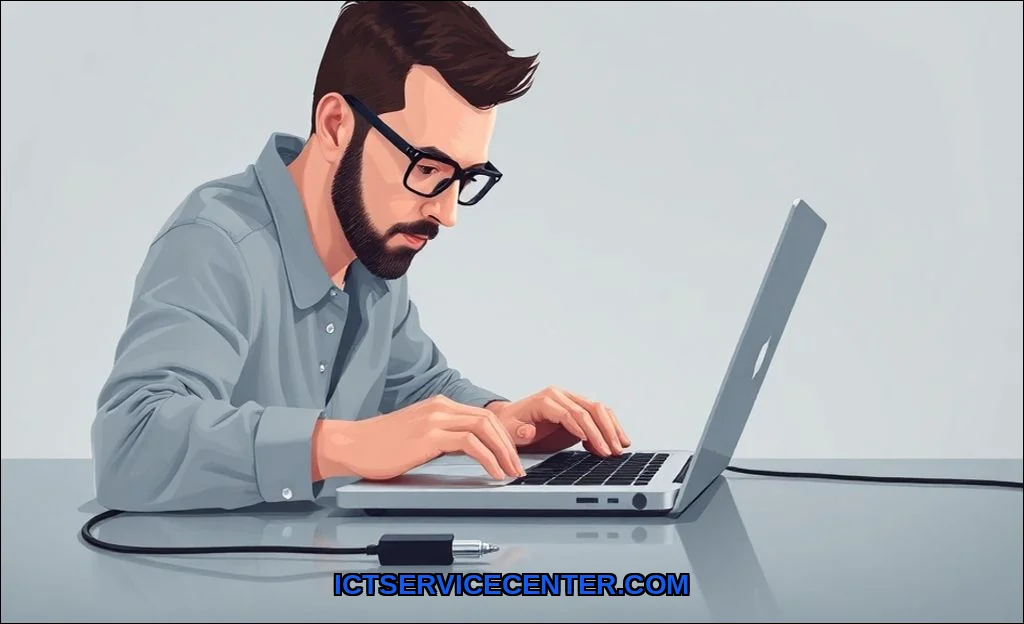
Youve settled in for an evening of work, plugged your laptop in, and noticed the battery percentage is crawling up at a glacial pace. Its frustrating, especially when you have deadlines. A laptop charging slowly isnt just an inconvenience; it can signal an underlying issue that needs attention.
Lets walk through this together. You dont need to be a hardware engineer to diagnose or fix this problem. Well start with the most common culprits and work our way toward more advanced solutions. By the end of this guide, youll know exactly what to check and how to get your machine charging at its normal speed again.
Why Is My Laptop Charging So Slowly All of a Sudden?
Before diving into fixes, it helps to understand the root causes. A sudden drop in charging speed usually points to one of four areas: the power adapter, the cable, the laptops charging port, or the software managing power delivery. If youre asking why is my laptop charging so slowly all of a sudden, check for physical damage to your charger firstits the most common trigger.
Check Your Charger and Cable
The most frequent cause of a slow charging laptop is an underpowered or failing power adapter. Every laptop has a specific charger wattage requirement. Using a 45W adapter on a laptop designed for 90W will result in painfully slow charging, especially if the system is under load.
Start by inspecting your AC adapter brick. Look for the wattage rating printed on it. Then, check your laptops specifications. If the numbers dont match, thats your problem.
For many HP users, finding a reliable replacement is critical. If you need a new adapter, many professionals recommend using the Charger Compatible HP which is available online. It ensures the correct wattage and pin size for stable power delivery.
Next, examine the charging cable itself. Frayed wires, bent connectors, or kinks can increase electrical resistance, slowing the charge. If the cable feels hot near the connector, its a sign of resistancereplace it immediately.
Inspect the Charging Port
A dirty or damaged charging port is another common reason for a laptop charging slowly. Over time, dust, lint, and debris accumulate inside the port. This creates a poor connection between the charger and the laptops internal circuitry.
Heres how to check:
- Power off your laptop and unplug the charger.
- Use a flashlight to look inside the port. Do you see any debris?
- Gently use a wooden toothpick or a plastic spudger to remove visible dust. Avoid metal toolsthey can short-circuit the pins.
- If the port feels loose when you plug in the charger, the internal solder joints may be cracked. This requires professional repair.
A clean port often resolves the battery not charging properly message you might see in your system tray.
Adjust Power Settings for Faster Charging
Your laptops power settings play a significant role in charging speed. By default, many Windows laptops are configured to balance performance with battery health, which can limit charging speed.
To optimize for faster charging:
- Open Control Panel Power Options.
- Select the High Performance power plan. This tells the system to prioritize charging over energy saving.
- Click Change plan settings Change advanced power settings.
- Look for Battery settings. Disable any Battery Health or Conservation Mode if enabled. These features intentionally slow charging to extend battery lifespan.
- On some Dell and Lenovo models, you may need to access the BIOS (press F2 during startup) to disable battery charge limits.
These adjustments directly address power management settings that often throttle charging speed.
Close Background Apps and Processes
A common oversight: your laptop cannot charge quickly if its also powering demanding applications. When you run heavy softwarevideo editors, games, or virtual machinesthe system draws significant power. This leaves less wattage available for charging the battery.
If you want to know how to speed up laptop charging, start by closing unnecessary programs. Open Task Manager (Ctrl + Shift + Esc) and look at the Power usage column. End tasks that are consuming high power but arent essential.
You can also put the laptop to sleep or hibernate while charging. This eliminates all power draw from the system, allowing the charger to focus entirely on the battery.
Update or Reinstall Battery Drivers
Corrupted or outdated battery drivers can interfere with how your laptop communicates with the battery. This often results in a slow charging laptop or incorrect battery percentage readings.
To fix this:
- Right-click the Start button and select Device Manager.
- Expand the Batteries category.
- Right-click Microsoft ACPI-Compliant Control Method Battery and select Uninstall device. Do not check Delete the driver software for this device.
- Restart your laptop. Windows will automatically reinstall the driver.
This process refreshes the batterys communication channel with the system. Its a safe, non-destructive step that often resolves laptop battery charging slowly after update scenarios.
Calibrate Your Laptop Battery
A battery that reports incorrect charge levels can make it seem like charging is slow when, in reality, the software is misreading the state. Battery calibration realigns the batterys internal gauge with the operating system.
Heres a standard calibration procedure:
- Charge your laptop to 100%. Keep it plugged in for an additional two hours.
- Unplug the charger and use the laptop normally until the battery drains completely and the laptop shuts down.
- Leave the laptop off for at least five hours.
- Plug the charger back in and charge to 100% without interruption.
Perform this process once every three months. It helps maintain accurate battery reporting and can alleviate symptoms of a laptop battery draining fast while also addressing slow charge perceptions.
What to Do When Laptop Charges Slowly but Not Holding Charge
If youve tried all the above and your laptop still charges slowly and loses power quickly, the battery itself may be degraded. Lithium-ion batteries have a finite lifespantypically 300 to 500 full charge cycles.
You can perform a laptop battery health check using built-in tools:
- Windows: Open Command Prompt as administrator and run
powercfg /batteryreport. This generates an HTML file showing cycle count and design capacity vs. full charge capacity. - If the full charge capacity is below 80% of the design capacity, replacement is recommended.
For users experiencing a laptop plugged in not charging scenario alongside slow charging, the issue may be a faulty DC-in board or a failed battery management controller. These require professional diagnostics.
When to Seek Professional Repair
Some causes of slow charging go beyond software tweaks and cable swaps. If you notice any of the following, its time to visit a repair center:
- The charging port is physically loose or damaged.
- The laptop only charges when the cable is held at a specific angle.
- The battery is swollen (the trackpad or bottom case bulges).
- Youve tried multiple chargers with the same result.
If youre unsure whether your laptop needs service, review this guide on signs your laptop needs professional repair. It covers symptoms that go beyond charging issues, including overheating and unusual noises.
For a deeper dive into power-related issues, our guide on how to fix a laptop battery not charging covers scenarios where the system doesnt recognize the charger at all. And if slow charging is part of a broader performance slump, you might benefit from our tips on how to fix a slow laptop without upgrading hardware.
Preventive Measures for Consistent Charging Speed
Once youve resolved the issue, take steps to maintain optimal charging:
- Use the correct wattage charger for your specific laptop model.
- Avoid third-party chargers that lack proper voltage regulation. They can damage the charging circuit over time.
- Keep charging ports clean and free of debris.
- Dont run heavy applications while charging if speed is a priority.
- Set BIOS power settings to default if youve previously enabled battery conservation modes.
Final Thoughts
A laptop charging slowly is rarely a mystery once you know where to look. Start with the charger and cable, move to the port, then adjust your software settings. Most cases resolve with one of these steps.
If the problem persists after all these checks, the hardwareeither the battery, charging port, or internal power boardlikely needs professional attention. Dont ignore it. Slow charging today can become a no-charging situation tomorrow.
You have the steps. Take them one at a time. Your laptop will thank you.